Context: Storm Surges and Vulnerable Dikes
“56 kilometers of dikes threatened in southern France due to the intensification of storm surges.”
Le Monde, February 23, 2025
With more frequent storm surges, stronger winds and rising sea levels, protecting earth structures has become a critical challenge for coastal regions and river basins. Clayey dikes and embankments are particularly exposed, since conventional materials tend to weaken under repeated hydraulic loading.
At Medusoil, we have developed an innovative biocementation solution that strengthens clayey soils against erosion and supports long term dike stabilization.
We shared a LinkedIn post on this topic:
Field-Proven Results in Clayey Dikes
Between July 2024 and February 2025, Medusoil completed full scale trials on clayey dikes in France and the Netherlands. The objective was to test biocementation in clayey soils under realistic, harsh environmental conditions.
- More than 30 tons of biocemented dikes were exposed to extreme loading.
- Test conditions reached a +0.5 m sea level rise, +2 m storm waves and 100 km/h winds.
- Only 5% soil mass loss was measured after prolonged exposure.
Where conventional clay materials start to degrade, the biocemented sections preserved their integrity and resisted surface erosion. These results confirm the potential of biocementation as a reliable tool for coastal protection and flood defence infrastructure.
A Dual-Mechanism Technology with Lower CO₂
The performance of our solution relies on a dual mechanism that acts within the soil matrix:
1. Mineralization
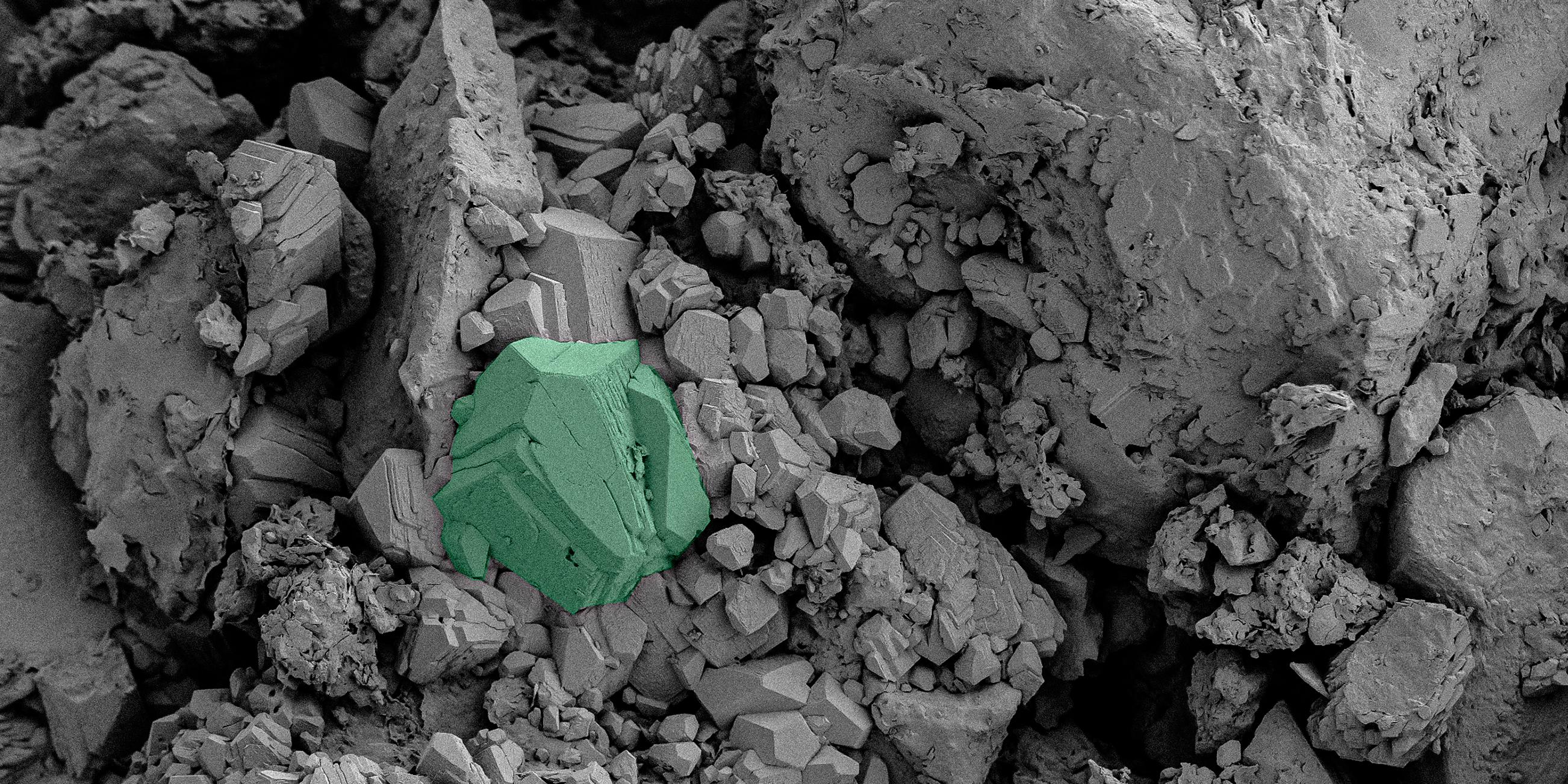
Microorganisms stimulate the precipitation of carbonate minerals that bind soil particles together. In clayey environments, this helps form a dense, erosion resistant structure at the surface and within the upper layers of the embankment.
2. Polymerization
Complementary organic binders create additional links between particles, improving cohesion and limiting crack formation during drying and wetting cycles.
By combining these two mechanisms, Medusoil achieves:
- Up to 55% CO₂ reduction compared to traditional cement based techniques.
- Preservation of surrounding ecosystems and groundwater quality.
- Compatibility with existing geotechnical design approaches.
This approach offers engineers a new lever to design more sustainable erosion control solutions without compromising on performance.
Applications for Dikes, Slopes and Infrastructure
The same technology that stabilizes clayey dikes can be deployed on a wide range of geotechnical applications:
- Recycling of demolition waste, by binding reclaimed aggregates for reuse.
- Improving soil bearing capacity under roads, platforms and foundations.
- Mitigating soil desiccation and erosion in dry or highly variable climates.
- Stabilizing slopes and embankments along rivers, canals and transport corridors.
Thanks to the recent trials, Medusoil is now extending its interventions to larger dikes and embankments, across different geological settings. The goal is clear: make biocementation in clayey soils a standard option in the toolbox of designers and asset owners.
Towards More Resilient and Sustainable Infrastructure
The combination of field evidence, lower carbon footprint and compatibility with existing infrastructure management practices marks an important step forward. As storm events intensify, stakeholders need technologies that can be deployed quickly, adapted to local soil conditions and scaled across networks of dikes and embankments.
With this breakthrough, Medusoil contributes to more resilient and sustainable coastal and river protection, supporting communities that live and work behind these critical earth structures.