Interested about biocementation? → Contact us

Biocementation in Vaud: Local Production and First Public Demonstration in Switzerland

Biocementation is moving from research to real-world implementation.

In the canton of Vaud, a local pilot site now demonstrates how this low-carbon technology can be produced and applied directly on Swiss soil.

This project marks an important step in validating biocementation under field conditions, with local sourcing, controlled production, and concrete use cases for sustainable construction.

For a detailed explanation of how biocementation works, see our dedicated page on biocementation.

What the La Télé Report Showed

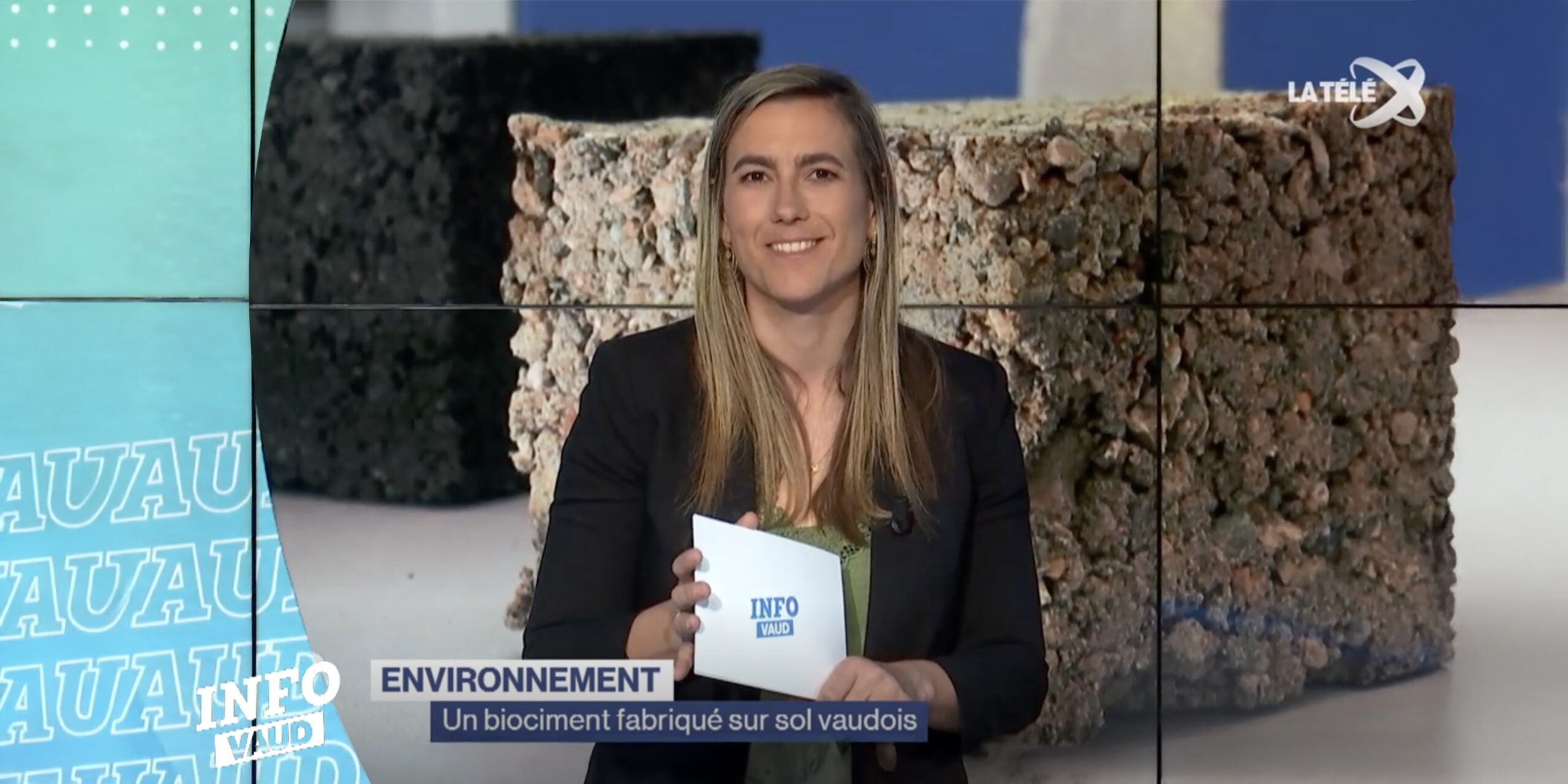
In March 2025, a biocement production site in Vaud was featured in a report by La Télé titled “A Biocement Produced on Vaud Soil”. The report focused on the local nature of the project and its environmental relevance, highlighting how biocementation can be produced directly where it is needed.

This media coverage provided independent validation of our technology in real operational conditions.

  • On-site biocement production in Vaud
  • Local sourcing of materials
  • Controlled biological process under real conditions
  • Demonstration beyond laboratory testing

Why Local Biocement Production Matters

Local production is a core strength of biocementation. Producing the mineral binder directly on site reduces transport, limits emissions linked to logistics, and improves traceability.

In the Swiss context, where sustainability standards and regional value creation are key, this approach aligns naturally with current construction and infrastructure strategies.

Local production also allows tighter control over application conditions and performance monitoring, which is essential during the demonstration and scaling phases.

  • Reduced transport and associated emissions
  • Better alignment with Swiss environmental standards
  • Improved quality control during application
  • Strong integration into regional innovation ecosystems

Applications Demonstrated on the Pilot Site

The Vaud pilot site focuses on real use cases, not lab theory. It shows where biocementation creates value on infrastructure projects, with lower-impact material choices and practical deployment conditions.

The demonstrations cover several field-relevant applications. They are the types of problems engineers and asset owners deal with every day.

Soil stabilisation at the edge of infrastructure

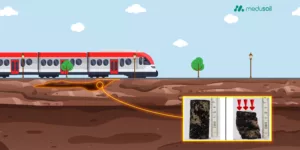
Biocementation can increase soil cohesion where you need stability and predictable behaviour. This is especially relevant for road edges and transition zones that are exposed to water, traffic loads, and erosion.

Slopes and embankments reinforcement

The pilot also illustrates how mineral binding can support slope integrity. This matters for embankments that must keep shape over time, under seasonal cycles and weather stress.

Erosion-prone areas protection

Where water and runoff slowly degrade ground, biocementation can help reduce surface loss and improve resistance. It supports longer-lasting protection with a lighter footprint.

Mineral binding for simple structural uses

Finally, the pilot shows basic “mineral bonding” applications. Think of it as a way to create a solid, durable material in a controlled, measurable way, without relying on conventional cement processes.

What This Demonstration Confirms

This pilot confirms an important point. Biocementation can be deployed outside laboratory conditions while remaining controlled and measurable. That matters because decision-makers need proof in real environments, not only promising mechanisms.

For project owners and public stakeholders, the demonstration phase reduces uncertainty. It shows how production, application, and monitoring can work on site, with local constraints and real schedules.

If you want the full technical explanation of the process, you can point readers to your biocementation technology page.

Next Steps for Projects in Switzerland

Pilot projects bridge the gap between research and deployment. They generate field data, highlight operational constraints, and clarify where the technology performs best.

In Switzerland, this local approach is particularly relevant. It supports regional sourcing, reduces transport needs, and aligns with sustainability targets that are becoming standard in public and private tenders.

If you are assessing low-carbon solutions for soil improvement or stabilisation, the best next step is an early technical discussion. That is where feasibility, scope, and monitoring requirements become clear.

Biocementation is already proving its relevance in real Swiss conditions.
For projects involving soil stabilisation, reinforcement, or environmentally responsible construction methods, early discussion allows proper evaluation and integration.

Contact our team to explore how biocementation can support your next project.

Recent articles